
More than 30 cm
A pool or spa that can hold more than 30 centimetres of water needs a compliant barrier.
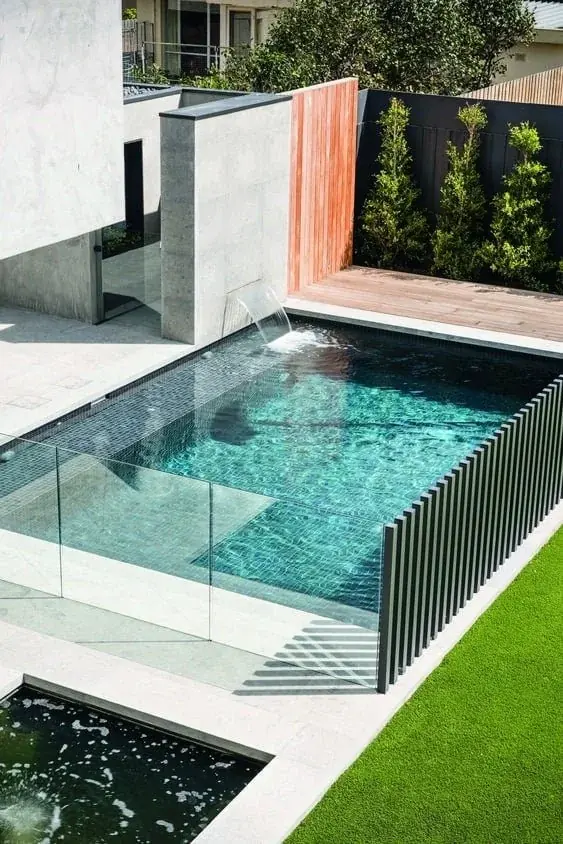
State rules, inspection steps, electrical bonding and official council links—explained in plain English.
Your council’s registration letter identifies the construction date, applicable standard and certificate due date for the property.
A pool or spa that can hold more than 30 centimetres of water needs a compliant barrier.
The owner must register the pool or spa with the relevant local council.
The applicable barrier rules depend on the pool’s construction date and later alterations.
An authorised practitioner must inspect the barrier on the required cycle.
The owner lodges the compliance certificate with council, generally within 30 days of issue.
Council determines the construction date from its records and tells the owner which standard applies. Do not choose a checklist based only on how old the fence looks.
Later alterations can affect the applicable standard. A replacement barrier may also need a building permit, even when the original pool is older. Confirm the pathway before removal or construction.
People often call this “earthing”, but the specific safety measure is equipotential bonding. It reduces dangerous voltage differences between conductive parts if an electrical fault occurs.
Under the national Wiring Rules, conductive metal within arm’s reach of the pool edge—often treated as 1.25 metres—can require bonding. This may include metal fencing, posts, glass-fence spigots, ladders, reinforcing steel, light poles and shade structures.
The formal checklist depends on the construction date, but these everyday checks are useful for every pool area:
These checks do not replace a formal inspection.
Victorian law sets the framework. Councils manage registration, due dates, certificate lodgement, fees and enforcement. Always confirm the current fee and form on the council page.
RJL can assess the site, plan and install glass, aluminium, batten or custom steel barriers, and complete agreed rectification work after an inspection.
RJL does not register the pool for the owner and does not issue the formal barrier compliance certificate unless a separately engaged person holds the required registration and is acting in that role.
Important: This page is general information, not legal, building-surveying, inspection or electrical advice. Requirements can change. Confirm the property with your council, an authorised pool barrier inspector and a licensed electrician before work starts.
A difficult sloping-site fence replacement was handled carefully, with the team making sure the details were completed correctly.
A complicated pool-fence project was praised for communication, quality, honesty and a result the customer loved.
Reliable at quoting and installation, with a professional, courteous team and a tidy site at completion.
Send the council area, pool construction date, inspection report and site photos. We’ll confirm what RJL can quote.