
What if your neighbour will not pay half for a fence in Victoria?
A practical guide to quotes, written agreement, the Victorian Fencing Notice process, mediation and what to do before fencing work starts.
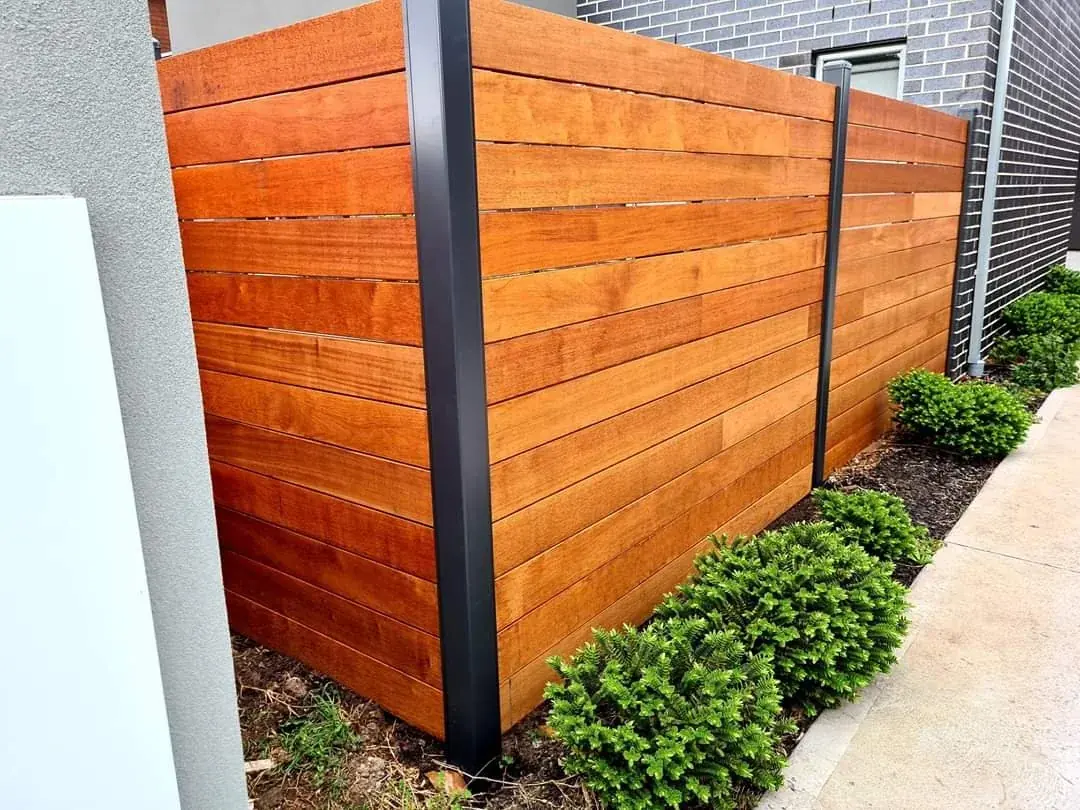
Do not start shared-boundary work on the assumption that your neighbour must reimburse half later. In Victoria, both owners generally contribute equally to a sufficient dividing fence, but the circumstances, existing fence, proposed standard and cause of damage can change who pays what.
If one owner wants a more expensive fence than the sufficient standard, that owner will usually need to pay the difference unless both sides agree otherwise.
A practical sequence before work starts
- Confirm the owner next door; residential tenants usually are not the person responsible for the contribution.
- Discuss the fence, boundary line, access, removal, material, height and cost in writing.
- Obtain a clear quote that separates the sufficient fence from optional upgrades.
- If agreement is not reached, serve the official Victorian Fencing Notice and keep proof of delivery.
- Allow the required response period and try negotiation or free dispute-resolution support before court.
- If the boundary itself is uncertain, use a licensed surveyor before construction.
What if the notice is ignored?
The Victorian Government says a neighbour has 30 days to respond after receiving a Fencing Notice. If agreement still cannot be reached, only the Magistrates’ Court can make a binding fencing order. Court takes time and money, so the Dispute Settlement Centre of Victoria recommends direct negotiation and mediation first.
Urgent work has a different process and is generally limited to circumstances such as a fence destroyed by fire, flood or a fallen tree. Get independent legal advice before relying on an urgent-work exception.
Victorian Government fencing guidance and Fencing Notice ↗Where RJL fits
RJL can inspect the site and provide a written fencing scope and quote that helps both owners understand the proposed work. RJL does not decide legal liability, determine a disputed title boundary or issue legal notices on an owner’s behalf.
This article is general information, not legal advice. Use the current Victorian Government guidance, your council, a licensed surveyor and independent legal advice for your property.